


Choosing the right door installation is a critical decision that impacts your home's energy efficiency, security, and curb appeal. A well-chosen door improves comfort and can significantly reduce your monthly energy bills, especially in the Arizona climate.
This guide walks you through every essential factor, from assessing your current needs to understanding costs and maintenance, ensuring you make an informed decision for a lasting home transformation.
Understanding Your Door Installation Needs
Understanding your door installation needs begins with evaluating your home’s current condition and your long-term goals for comfort, energy savings, and aesthetics. This initial assessment guides all subsequent decisions, ensuring the new door delivers maximum benefit.
Assessing Your Current Door and Opening
Assessing your current door and its opening helps determine if a standard replacement is feasible or if structural modifications are necessary. Proper measurements and frame inspection are crucial to avoid installation issues and ensure a snug, energy-efficient fit.
- Measure Precisely: Measure both the width and height of the existing door slab and the rough opening. Always take multiple measurements across different points.
- Inspect the Frame: Check for any rot, warping, or damage to the existing door frame, jambs, and sill. A compromised frame requires repair or replacement before installing a new door.
- Evaluate Operation: Note any current issues like sticking, drafts, or difficulty locking, which indicate problems beyond the door itself. These issues often point to an out-of-square frame or foundation shifting.
- Consider Door Swing: Confirm the preferred swing direction (inward/outward, left/right hinge) for top traffic flow and furniture placement.
Ignoring these preliminary steps can lead to costly adjustments during installation. Our expert team ensures every measurement is accurate and every frame is sound, preventing future headaches.
You know your door needs replacement if it's drafty, difficult to open or close, shows signs of rot or rust, or has compromised security features. Visible damage, condensation between glass panes, or a significant increase in energy bills can also indicate it's time for a new door.
New Construction vs. Replacement Door Installation
New construction door installation involves fitting a door into a freshly framed opening, offering maximum flexibility in sizing and style, while replacement door installation reuses an existing frame or requires careful removal and new framing. The approach significantly impacts labor and overall project complexity.
- New Construction:
- Allows for complete customization of door size and rough opening dimensions.
- New frames are installed directly into the wall studs, creating a tighter seal.
- Often simpler, as structural elements are exposed and easily accessible.
- Ideal for additions, major renovations, or custom builds.
- Replacement Installation:
- Typically involves fitting a new door into an existing frame, often called a retrofit.
- Requires careful removal of the old door and sometimes the frame if damaged.
- Focuses on matching the new door to the existing opening, potentially limiting size options.
- Can be more complex if the existing opening is out of square or damaged.
For homes across Arizona, replacement exterior door installation is a common project to improve energy efficiency and curb appeal. Whether it's a new build or an upgrade, we offer tailored solutions to fit your project's unique requirements.
Key Factors When Choosing a New Door
Selecting a new door involves balancing aesthetics with performance, focusing on materials, energy efficiency and style. Each factor drives the door's longevity, functionality, and how well it complements your home.
Door Materials and Their Benefits
Door materials vary widely, each offering distinct benefits in terms of durability, appearance and cost. Choosing the right material ensures your door performs well in Arizona's climate and matches your home's aesthetic.
- Fiberglass: Highly durable, resistant to dents and rust. Fiberglass doors are excellent for harsh climates like Arizona, offering superior insulation and requiring minimal maintenance. They can be molded to mimic the look of wood grain.
- Steel: Known for strength and security, steel doors are a cost-effective option. They are resistant to cracking and warping but can dent and scratch, potentially leading to rust if the finish is compromised.
- Wood: Offers classic beauty and warmth, available in various species and finishes. Wood doors are good insulators but require more maintenance to protect against warping and insect damage, especially in arid conditions.
- Vinyl: While less common for exterior entry doors, vinyl is a popular choice for sliding glass doors and patio doors due to its excellent energy efficiency and low maintenance. Our Sunshield® vinyl is specifically engineered to resist the intense Arizona sun and UV light.
For exterior applications in Arizona, fiberglass and vinyl options engineered for the climate often provide the best long-term value and performance. Fiberglass and vinyl are generally the best door materials for the Arizona climate due to their superior resistance to extreme heat, UV radiation, and moisture. They offer excellent insulation, preventing heat transfer and maintaining energy efficiency, and require minimal maintenance compared to wood.
Energy Efficiency and Insulation Considerations
Energy efficiency and insulation are key for doors in Arizona, directly impacting your home's comfort and utility bills. A well-insulated door minimizes heat transfer, keeping your home cooler in summer and warmer in winter.
Key considerations for energy-efficient doors include:
- U-Factor: This measures how well a door prevents heat from escaping. A lower U-factor indicates better insulating properties.
- Solar Heat Gain Coefficient (SHGC): This measures how much solar radiation passes through a door. In Arizona, a lower SHGC is desirable to reduce heat gain.
- Insulated Cores: Many fiberglass and steel doors feature foam cores for enhanced insulation.
- Weatherstripping: High-quality weatherstripping around the perimeter of the door slab and frame prevents air leaks.
- Low-E Glass: For doors with glass panels, Low-E coatings reflect infrared light, improving thermal performance. We specialize in Low-E coated glass window installation, and the same benefits apply to doors.
Choosing an ENERGY STAR certified door guarantees it meets strict energy efficiency guidelines set by the U.S. Environmental Protection Agency. Many customers, like Mark H., praise our products:
"Great company with a great product. We saved several hundred dollars and were able to get new energy efficient windows which will pay for themselves over the next couple of years. Service and installation were top-notch." - Mark H., Satisfied Customer

Security Features for Your Door Installation
Security features are essential for any door installation, providing peace of mind and protecting your family and valuables. Strong security measures deter intruders and improve the overall safety of your home.
Consider these key security elements:
- Multi-Point Locking Systems: These systems engage the door frame at multiple points, providing superior resistance against forced entry compared to a single deadbolt.
- Reinforced Door Frames: Steel or composite reinforcements within the door frame prevent it from splitting or splintering under impact.
- Strong Deadbolts: Choose deadbolts with a minimum 1-inch throw and a reinforced strike plate secured with long screws into the wall studs.
- Impact-Resistant Glass: For doors with glass panels, laminated or tempered glass offers better resistance against breakage.
- Hinge Security: Doors that swing outwards should have non-removable hinge pins to prevent their removal by intruders.
Our doors are designed with security in mind, offering high-quality entry doors that combine aesthetics with advanced protection for Arizona homes.
Aesthetics and Style Options
Aesthetics and style options significantly influence your home's curb appeal and overall architectural integrity. The right door improves your home's character, creating a welcoming entrance or a effortless transition to outdoor spaces.
Consider these style elements:
- Architectural Harmony: Select a door style that complements your home's architectural design, whether it's modern, traditional, Mediterranean, or Southwestern.
- Color and Finish: Choose colors and finishes that either match or provide a pleasing contrast to your home's exterior palette. Wood grain textures and painted finishes offer diverse choices.
- Glass Options: Decorative glass, privacy glass, or clear glass panels can add visual interest and natural light. Be mindful of Low-E coatings for top energy performance.
- Hardware: The right handle sets and kickplates complete the look and contribute to the door's functionality.
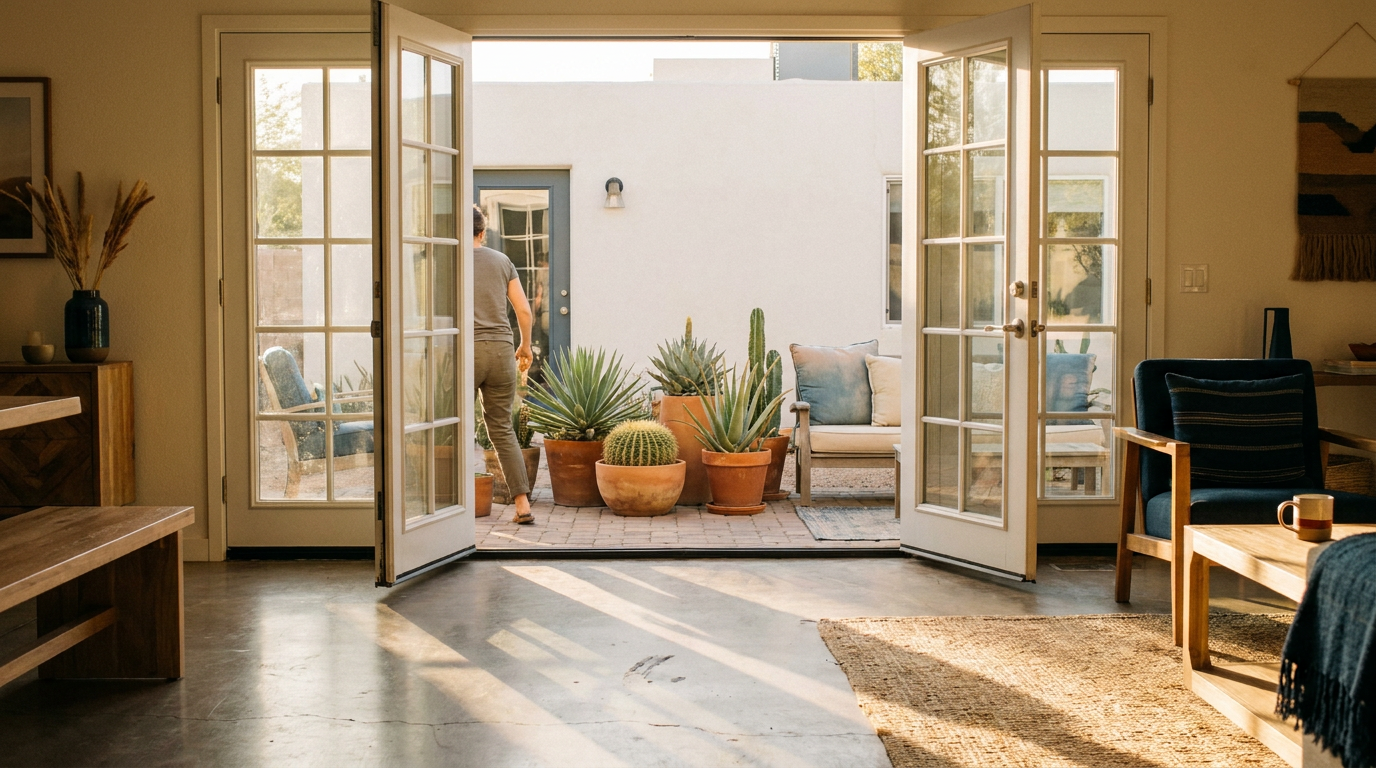
- Door Type: Beyond standard entry doors, consider French Doors in Arizona for elegance or multi-slide doors for expansive openings.
We offer a wide array of custom doors, allowing you to tailor every detail to your unique vision, ensuring your new door becomes a focal point of your home's design.
DIY Door Installation vs. Professional Services
Deciding between DIY door installation and hiring professional services depends on your skill level, available time, and the complexity of the project. While DIY can save on labor costs, professional installation guarantees expertise and adherence to building codes.
Pros and Cons of DIY Door Installation
DIY door installation offers potential cost savings and a sense of accomplishment but carries significant risks if not executed perfectly. Incorrect installation can lead to drafts, security vulnerabilities, and costly damage.
Pros of DIY:
- Cost Savings: You save on labor fees, which can be a significant portion of the total project cost.
- Personal Satisfaction: Completing a home improvement project yourself can be rewarding.
- Scheduling Flexibility: You can work at your own pace and schedule.
Cons of DIY:
- Lack of Expertise: Incorrect measurements, improper framing, or poor sealing can compromise energy efficiency and security.
- Time-Consuming: Without experience, the project can take much longer than anticipated.
- Specialized Tools: You may need to purchase or rent specific tools that you won't use again.
- Warranty Issues: Many door manufacturers' warranties are voided if the door isn't installed by a certified professional.
- Building Code Compliance: Incorrect installation can violate local building codes, leading to fines or required re-dos.
For complex installations, such as those involving custom glass doors or structural modifications, the risks of DIY often outweigh the potential savings.
When to Hire a Professional for Your Door Installation
You should hire a professional for your door installation when precision and long-term performance are critical, especially for complex door types or when your home’s structural integrity is involved. Professionals ensure proper sealing, energy efficiency, and compliance with all local building codes.
Consider professional services if:
- It's a New Construction or Major Renovation: Integrating a new door into a new rough opening requires precise framing and sealing techniques.
- You're Replacing an Exterior Door: Exterior doors are vital for security and energy efficiency. An improper seal can lead to drafts, water intrusion, and higher energy bills.
- You're Installing Large or Heavy Doors: Multi-slide doors or custom French doors often require specialized equipment and multiple installers.
- Your Existing Frame is Damaged or Out of Square: Professionals can correctly repair or replace the frame to ensure a proper fit.
- You Value Warranties: Professional installation often maintains the manufacturer's warranty and comes with an installation warranty from the contractor.
- You Live in Arizona's Extreme Climate: Proper sealing and insulation are key to combat the intense heat, a specialty of Phoenix window and door installation experts.
Our expert installers are trained to handle all types of door installations, adhering to strict quality standards and using tools that ensure maximum energy efficiency and security. We offer financing options to make professional installation accessible, allowing you to enjoy superior quality without compromise.
Pro Tip: Always verify your installer is licensed and insured. In Arizona, verify their contractor license through the Arizona Registrar of Contractors to ensure they meet industry standards.
When selecting a door installation company, prioritize experience, proper licensing, and a strong local reputation. Look for companies that offer energy-efficient products specifically designed for the Arizona climate, provide transparent pricing, offer financing options, and have excellent customer reviews, like Energy Shield Window & Door Company.
Understanding Door Installation Costs
Understanding door installation costs involves recognizing that prices vary significantly based on door type, material, installation complexity, and regional labor rates. A clear breakdown of these factors helps set realistic budget expectations and avoids unexpected expenses.
The average cost to install a new door varies widely depending on the door type, material, and whether it's a replacement or new construction. Basic entry doors can range from $400 to $1,200 for installation, while custom or high-end doors can exceed $5,000 including labor. These figures are estimates and do not include the door itself.
Factors Affecting Installation Price
Several key factors directly influence the total price of a door installation, beyond the cost of the door itself. These include labor and any necessary structural modifications.
- Door Type and Size: Entry doors, patio doors, French doors, or custom glass doors each have different installation complexities and requirements. Larger or non-standard sizes typically cost more to install.
- Material: While the door material itself drives the purchase price, specific materials like solid wood or heavy fiberglass might require more specialized handling during installation.
- Frame Condition: If the existing frame is damaged, warped, or needs to be completely replaced, this adds to labor and material costs.
- Structural Modifications: Widening an opening, installing a new header, or addressing unforeseen structural issues will significantly increase the overall cost.
- Geographic Location: Labor rates vary by region. For instance, installation costs in Murrieta, CA, might differ from those in Phoenix, Arizona.
- Permits: Depending on local regulations and the scope of work, a building permit may be required, adding a small fee.
We pride ourselves on offering competitive pricing for exterior door replacement & installation in Arizona, ensuring superior quality without compromise. We also provide flexible financing options to make your home upgrades more accessible.
Average Costs for Different Door Types
Average costs for different door types reflect varying material expenses and installation complexities. Understanding these ranges helps homeowners budget effectively for their specific door installation project.
- Standard Entry Door (Fiberglass/Steel): Installation costs typically range from $400 to $800, excluding the door itself.
- French Doors: Due to the double-door configuration and often more complex framing, installation can range from $600 to $1,500.
- Sliding Patio Doors: Installation costs generally fall between $500 and $1,200, depending on size and panel configuration.
- Custom Glass Doors: These can be the most complex, with installation costs potentially ranging from $800 to over $2,500, especially for large or intricate designs.
While DIY stores like Lowe's or Home Depot may offer installation services, their pricing can vary widely and often involves subcontracted labor. For specialized, energy-efficient solutions designed for the Arizona climate, a dedicated window and door company like ours provides local expertise and a proven track record. We
How long does a typical door installation take?
A standard door installation usually takes between 3 to 6 hours for a single entry door, assuming the existing frame is in good condition. More complex installations, like French doors or those requiring frame repair, can take a full day or more, sometimes requiring multiple installers.
Does a new door installation increase home value?
Yes, a new door installation, especially an energy-efficient entry door, can significantly increase your home's value and curb appeal. Realtors often cite a high return on investment for entry door replacements, making it an attractive upgrade for homeowners looking to sell or simply improve their property.
Can I paint my fiberglass or steel door?
Yes, both fiberglass and steel doors can be painted, though it's crucial to use the correct type of paint and follow the manufacturer's instructions for preparation and application to ensure durability and proper adhesion. Always clean the door thoroughly and prime it before painting for the best results.

Maintaining Your Newly Installed Door
Proper maintenance is the key to ensuring your investment lasts for decades. While modern materials like fiberglass and vinyl are designed for durability, a routine care schedule will keep your door looking new and functioning smoothly.
Cleaning and Surface Care
Dust and grit can be abrasive, especially in desert environments. Regularly cleaning your door prevents finish degradation and keeps hardware sparkling.
- Fiberglass and Steel: Use a mild detergent mixed with water and a soft cloth. Avoid abrasive cleaners or power washers, which can damage the protective finish.
- Wood Doors: Wipe down with a damp cloth and dry immediately. Inspect the finish annually for signs of fading or cracking, as wood requires periodic resealing or painting to prevent moisture infiltration.
- Glass Panels: Clean glass with a standard vinegar-based cleaner or a dedicated glass spray. For Low-E glass, avoid using scrapers or razor blades that could scratch the coating.
Hardware and Mechanical Maintenance
A door is only as good as its moving parts. Ensuring the hardware is lubricated and aligned prevents unnecessary strain on the frame and hinges.
- Lubricate Hinges: Apply a silicone-based lubricant to hinges once a year to prevent squeaking and ensure smooth operation.
- Check the Locks: Ensure the deadbolt and handle latch align perfectly with the strike plate. If the door requires "lifting" to lock, the hinges may need tightening.
- Inspect Weatherstripping: Check the rubber seals around the door for cracks or compression. Replace worn weatherstripping immediately to maintain your home’s energy efficiency.
For more specific tips on preserving your home's exterior features, check out our guide on maintaining Arizona home energy efficiency. By spending just a few minutes twice a year on these tasks, you can avoid costly repairs and keep your warranty in good standing.