


Choosing French doors transforms your home, bringing elegance and increased natural light. This guide helps you navigate options from materials to energy efficiency, ensuring you select the perfect French doors for your Arizona home.
We'll cover everything from basic definitions and installation considerations to maintenance, helping you make an informed decision. Expect to learn about energy ratings, security features, and how professional installation ensures longevity. This guide is for homeowners looking to enhance their living spaces with style and functionality.
What You'll Need to Choose Your French Doors
Before selecting your new French doors, gather key information about your home and preferences. You'll need to know your desired location for the doors, consider your home's architectural style, and establish a budget. Think about how much natural light you want and what level of privacy is important to you.
- Measuring tape for preliminary opening dimensions
- Photos of your home's interior and exterior
- List of desired features (e.g., security, energy efficiency)
- Budget range for purchase and installation
- Understanding of local building codes and permits, especially for exterior doors.
Step 1: Understand French Door Basics
French doors offer a classic aesthetic and functional design that can dramatically improve any room. Understanding their fundamental characteristics helps in making the best choice for your home.
What Exactly is a French Door?
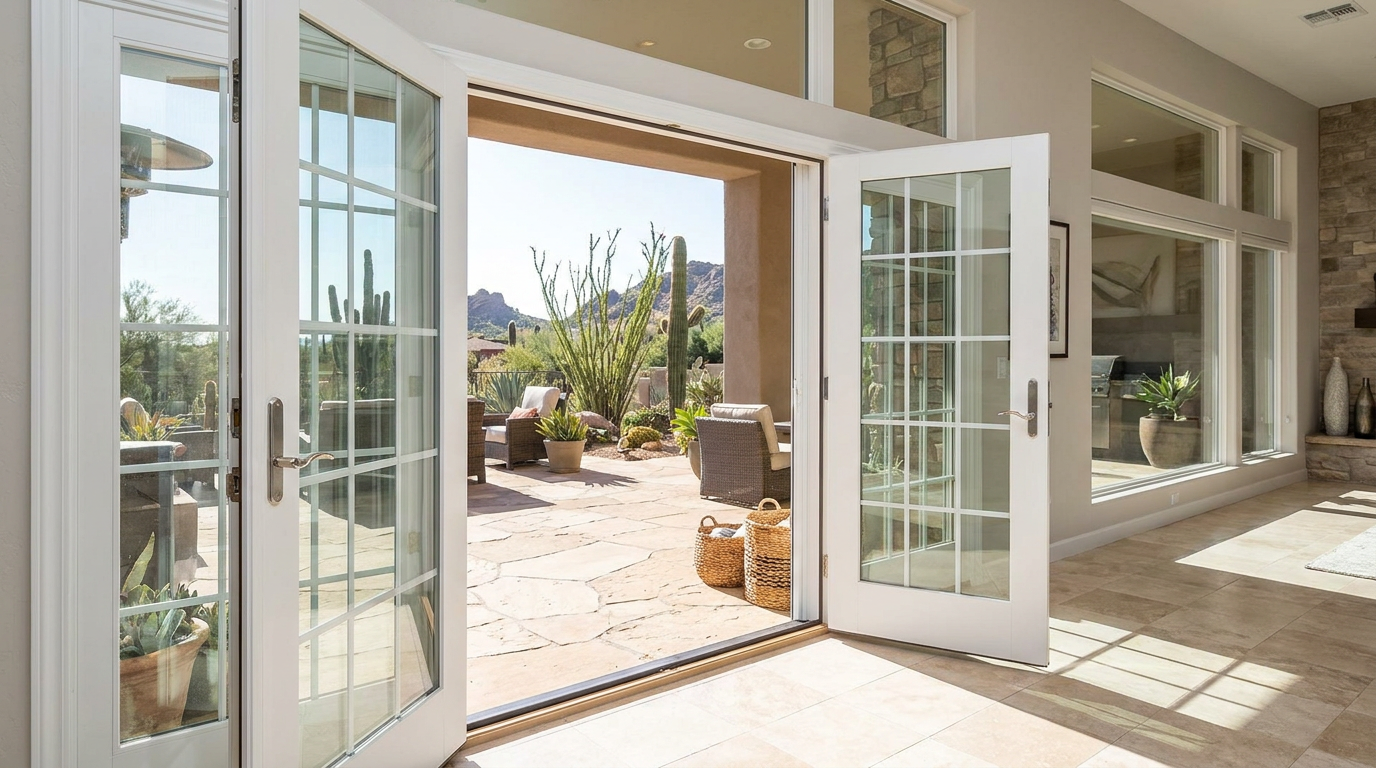
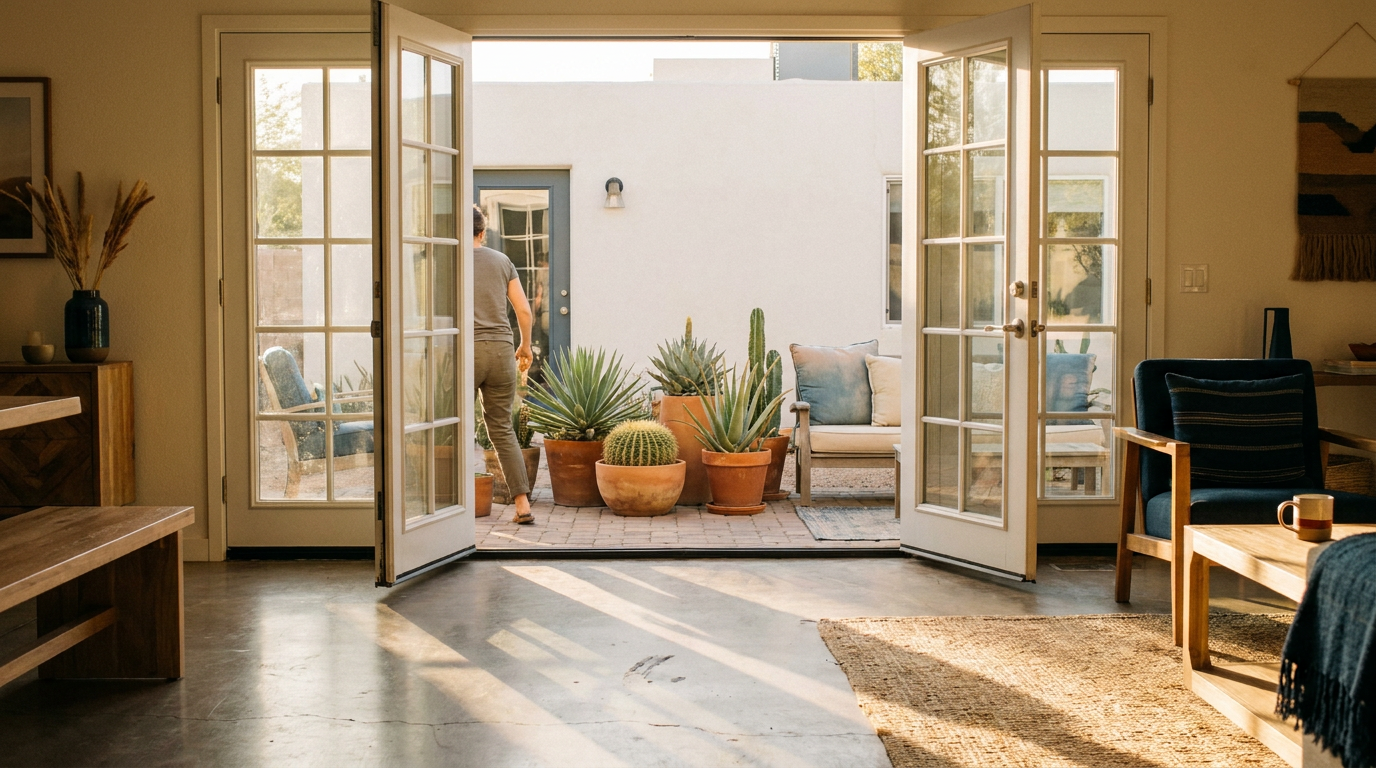
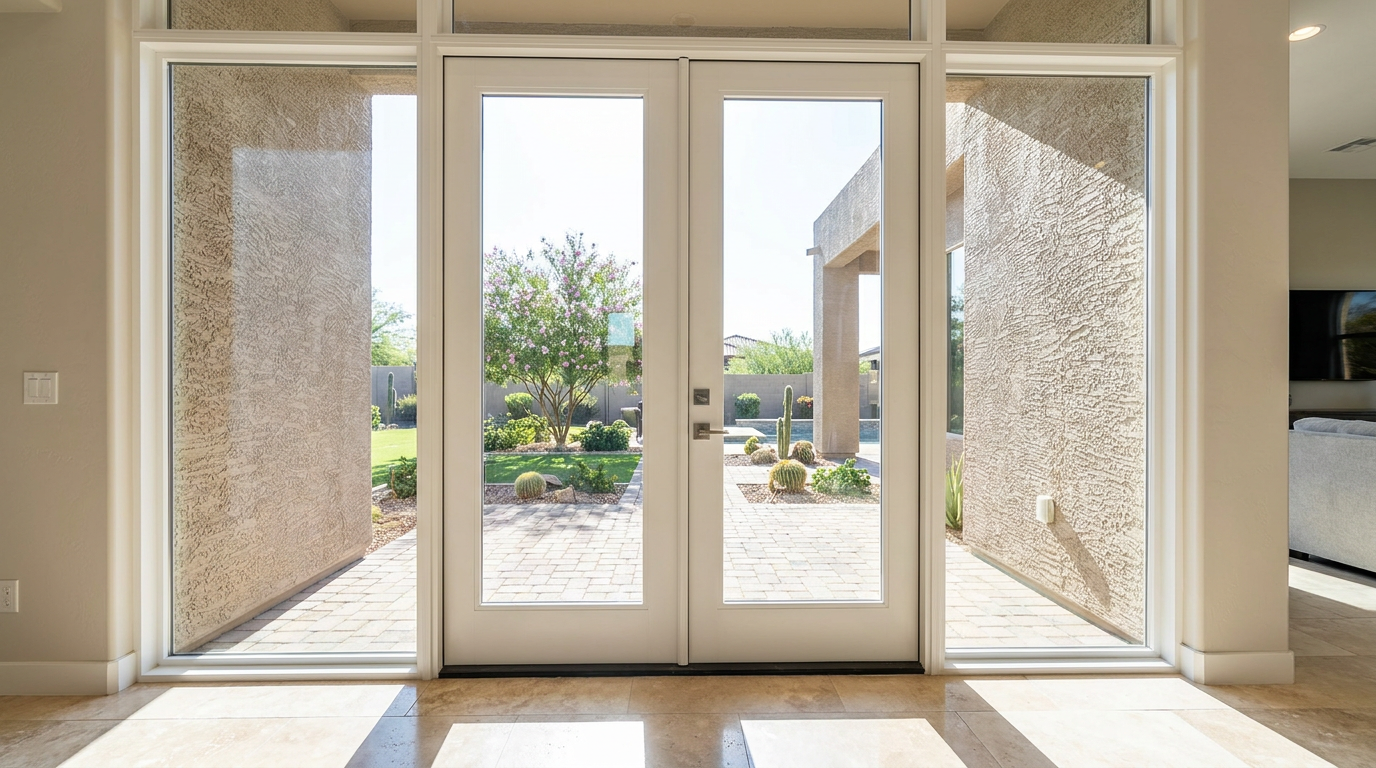
A French door is a door style featuring multiple small glass panes (lites) set within a frame, typically installed in pairs. These doors historically open inward or outward, creating a wide, unobstructed entryway when both panels are open. Their design prioritizes light transmission and visual connection between spaces.
- Construction: Two panels, usually glass from top to bottom.
- Operation: Hinged, opening in or out.
- Aesthetics: Known for elegance and classic appeal.
- Functionality: Maximizes natural light and views.
- Common Use: Connecting living areas to patios or between interior rooms.
French Doors vs. Double Doors: Key Differences
French doors are a specific type of double door, characterized by their glass panels, while double doors is a broader term for any pair of doors installed side-by-side. The primary distinction lies in the extensive use of glass in French doors. Double doors can be solid, panelized, or have minimal glass inserts.
- Glass Coverage: French doors feature full-length glass panes; double doors can be solid.
- Light & View: French doors maximize light and exterior views; double doors offer more privacy.
- Style: French doors are traditionally elegant; double doors offer a wider range of styles.
- Insulation: Glass-heavy French doors require specific energy-efficient glass for thermal performance.
Step 2: Determine Placement, Interior or Exterior French Doors?
The intended location for your French doors significantly influences material choice, glass type, and security features. Exterior doors face different environmental challenges than interior ones.
Choosing Exterior French Doors
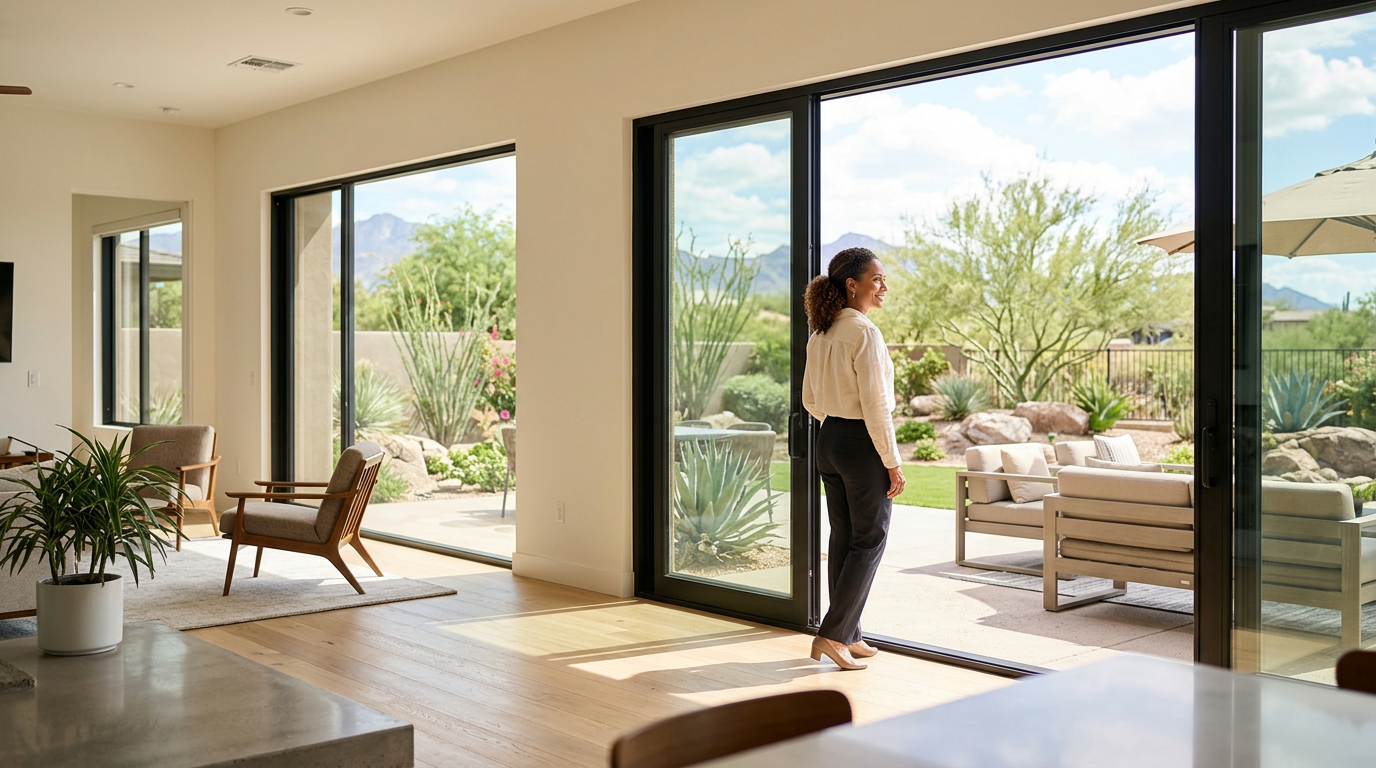
Exterior French doors provide a beautiful transition from indoor living spaces to patios, gardens, or balconies, requiring enhanced durability and security. These doors must withstand Arizona's intense heat, UV exposure, and occasional monsoon weather, making material selection critical. They typically feature strong locking systems and energy-efficient glass to protect your home. For homes in Arizona, French doors are specifically designed to meet the unique demands of the local climate, ensuring longevity and performance. Explore our exterior French door installation in Arizona services.
- Weather Resistance: Must tolerate extreme temperatures and UV.
- Security: Requires multi-point locking systems and reinforced frames.
- Energy Efficiency: Double or triple-pane insulated glass is essential.
- Material: Fiberglass or vinyl often preferred for durability in harsh climates.
- Maintenance: Materials like Sunshield® vinyl offer low maintenance against harsh elements.
Selecting Interior French Doors
Interior French doors are ideal for creating a sense of openness between rooms while maintaining distinct spaces, such as between a dining room and a living room. These doors focus more on aesthetics and light sharing, as they don't require the same level of weatherproofing or security as exterior models. They add a touch of sophistication and allow natural light to flow throughout your home.
- Aesthetics: Focus on style and how they complement interior design.
- Light Flow: Improves the transfer of light between spaces.
- Privacy: Can incorporate frosted or decorative glass for visual separation.
- Material: Wood or hollow core vinyl are common and cost-effective.
Step 3: Explore French Door Materials and Styles
The material and style of your French doors impact both their appearance and performance. Consider what best suits your aesthetic preferences and practical needs, especially when contending with Arizona's climate.
Popular Materials for French Doors (Wood, Vinyl, Fiberglass, Aluminum)
The material choice directly affects durability, energy efficiency, and maintenance requirements for your French doors. Each material offers distinct advantages tailored to different needs and budgets.
- Wood: Offers classic beauty and can be painted or stained, but requires more maintenance, especially outdoors.
- Vinyl: A highly energy-efficient and low-maintenance option, vinyl windows and doors, like those made with Sunshield® vinyl, resist warping and cracking, making them ideal for Arizona's heat.
- Fiberglass: Extremely durable, resistant to dents, scratches, and rot. It can mimic the look of wood and offers excellent insulation properties.
- Aluminum: Strong and sleek, aluminum doors are often used in contemporary designs. They are durable but can be less energy-efficient if not thermally broken. We offer Top Aluminum French Doors in Arizona.
French Door Opening Styles (Inswing, Outswing, Sliding)
How your French doors open significantly impacts furniture placement and traffic flow. Consider the available space and your desired functionality.
- Inswing: The most common style, where doors open into the room. Requires clear floor space indoors.
- Outswing: Doors open outward, preserving interior space. Ideal for smaller rooms or high-traffic areas, but requires exterior clearance.
- Sliding French Doors: Offers the aesthetic of French doors with the space-saving benefit of a slider. These doors glide along a track, ideal for areas where traditional swing doors are impractical. Compare them with traditional options in our guide: Sliding Glass vs French Doors: What's Best for AZ Homes.
Glass Options for French Doors (Single, Double, Triple Pane)
The glass in your French doors directly impacts energy efficiency, sound insulation, and security. In Arizona, selecting the right glass is key for comfort and energy savings.
- Single Pane: Offers minimal insulation; generally not recommended for exterior doors in Arizona due to poor energy performance.
- Double Pane: Two panes of glass with an inert gas (like argon) fill between them. This significantly improves insulation and reduces energy transfer. It's a standard for energy-efficient doors.
- Triple Pane: Three panes of glass with two gas-filled spaces, providing superior insulation and noise reduction. Ideal for extreme climates or homes needing maximum energy efficiency. Understand more about Double Pane Windows Cost vs Triple Pane in Arizona.
Step 4: Prioritize Energy Efficiency and Insulation
Energy-efficient French doors are a smart investment, especially in Arizona's climate, directly impacting your home's comfort and utility bills. High-quality doors, like those engineered for Arizona, minimize heat transfer and air leaks.
Understanding U-Factor and SHGC for French Doors
U-factor and Solar Heat Gain Coefficient (SHGC) are critical metrics for evaluating a French door's energy performance. The U-factor measures how well a door prevents heat from escaping, while SHGC measures how well it blocks heat from the sun. In Arizona, a low U-factor and a low SHGC are desirable to keep homes cool.
- U-Factor: The rate of heat loss. Lower U-factor means better insulation and less heat escaping your home.
- SHGC: The fraction of solar radiation admitted through a window or door. Lower SHGC means less heat gain from direct sunlight.
- NFRC Rating: The National Fenestration Rating Council (NFRC) provides independent ratings for these factors, allowing for objective comparison.
- Energy Star: Doors with an ENERGY STAR certification meet strict energy efficiency guidelines set by the EPA.
Are French Doors More Energy Efficient?
French doors can be highly energy-efficient when manufactured with the right materials and glass technology. Modern French doors, especially those made with vinyl or fiberglass frames and multi-pane insulated glass, can significantly reduce heat transfer. Older French doors with single-pane glass, however, are typically very inefficient, leading to high energy bills. Opting for energy-efficient windows and doors is critical in Arizona.
Our house had original windows from the 70s and after surviving a brutally hot summer last year, we decided to pursue new windows. We received quotes from a few big name window companies, and Energy Shield stood out. We saved several hundred dollars and were able to get new energy efficient windows which will pay for themselves over the next couple of years. Service and installation were great.
Leslie Feldman, 5-star Google Review
Customers like Leslie Feldman have experienced significant savings by upgrading to energy-efficient products, demonstrating the tangible benefits of choosing modern, high-performance doors and windows.
Step 5: Assess Security Features of French Doors
Securing your home is key, and French doors, with their large glass areas, require robust security measures. Modern French doors come with advanced locking systems and durable construction to deter intruders.
Locking Mechanisms and Reinforcements for French Doors
Effective security for French doors relies on multi-point locking systems and strong frame materials. These features work together to make the doors difficult to force open. Consider how these elements contribute to your family's peace of mind.
- Multi-point Locking Systems: Engage at multiple points along the door frame, making it far more secure than a single deadbolt.
- Impact-Resistant Glass: Laminated or tempered glass resists shattering, making it harder for intruders to break through.
- Reinforced Frames: Steel or aluminum reinforcements within vinyl or fiberglass frames add significant strength.
- Heavy-Duty Hinges: Non-removable pins or security studs prevent the doors from being lifted off their hinges.
Step 6: Measure for Your New French Doors
Accurate measurements are essential for a successful French door installation, preventing costly errors and ensuring a perfect fit. Even a slight miscalculation can lead to drafts, security issues, or installation delays. Professional measurement ensures precision.
Measure the width from jamb to jamb at three points (top, middle, bottom) and use the smallest measurement. For height, measure from the threshold to the top of the frame at three points (left, center, right), again using the smallest. Always consult a professional for exact measurements, especially when dealing with existing openings or custom sizing.
Step 7: Consider Cost and Budgeting for French Doors
Investing in French doors is a significant home improvement, and costs vary widely based on materials, size, glass type, and installation complexity. While it's tempting to focus solely on the initial price, consider the long-term value, including energy savings and durability, especially for products built for the Arizona climate.
French doors typically range from $1,000 to $5,000 per unit, not including installation. Custom sizes, premium materials like fiberglass, and advanced energy-efficient glass can increase the price. We offer financing options to make these quality upgrades accessible. We encourage you to get a free in-home quote to understand the exact costs for your specific project.
Are French Doors Cheaper Than Sliding Doors?
French doors are often more expensive than standard sliding doors, primarily due to their more complex construction and the need for two operating panels. However, this isn't always the case for all types of patio doors in Arizona.
- Construction: French doors involve two hinged panels, often with intricate glass lites and solid locking mechanisms.
- Installation: Installing French doors can be more labor-intensive due to the precise alignment required for proper sealing and operation.
- Material Costs: While vinyl sliding doors can be very affordable, high-end French doors with premium materials like fiberglass or wood will generally cost more.
Step 8: Installation - Professional French Door Installation
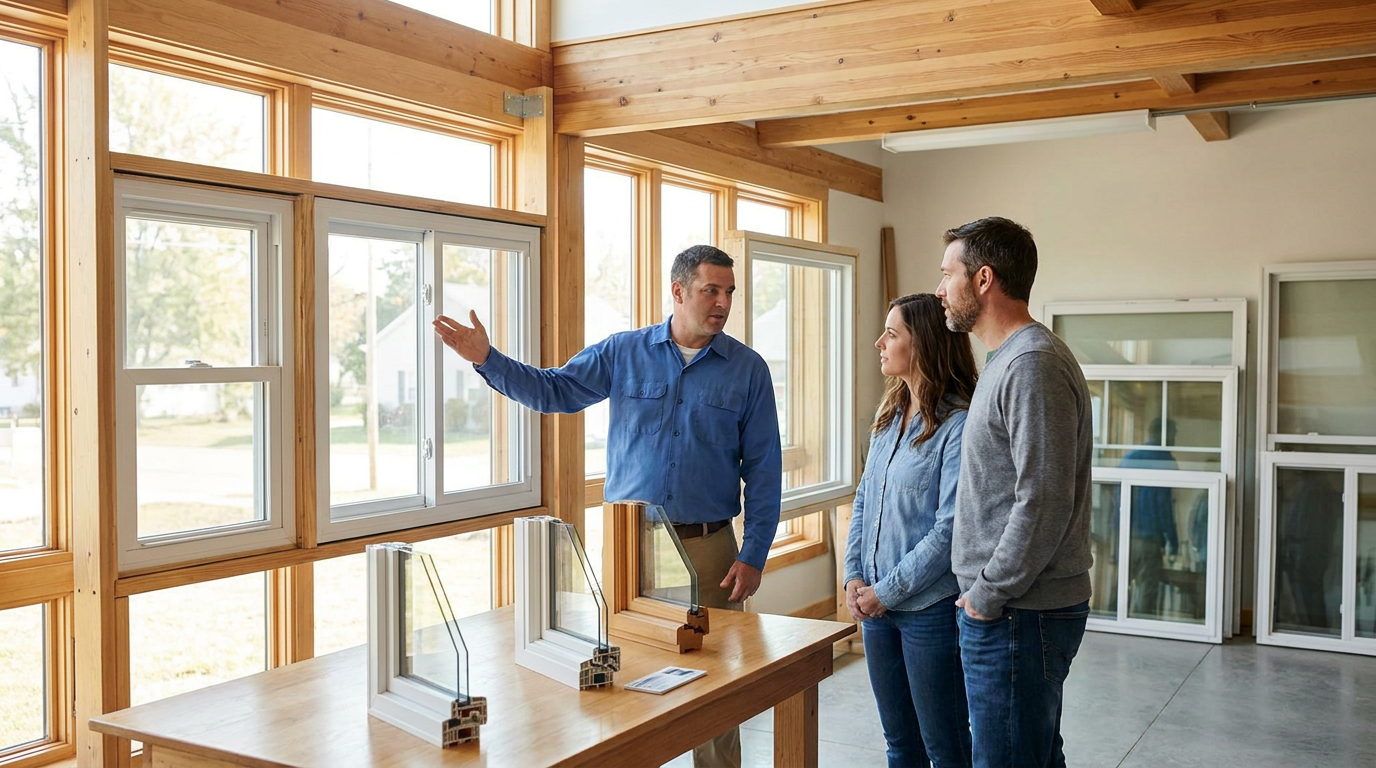
Professional installation is critical for the performance, security, and longevity of your French doors. Even the highest quality doors will underperform if not installed correctly. An improper installation can lead to air leaks, water damage, and compromised security. Our expert teams ensure precise fitting and sealing, maximizing energy efficiency and extending the lifespan of your doors.
We handle everything from precise measurements to final adjustments, adhering to all local building codes. Our experienced installers understand the nuances of working with different home constructions and materials, especially in the unique Arizona climate. For a smooth and reliable process, trust the experts at Energy Shield Window & Door Company.
Step 9: Maintenance and Longevity of French Doors
The lifespan and continued beauty of your French doors depend heavily on the material chosen and consistent, proper maintenance. While products built for the Arizona climate are inherently durable, routine care ensures they perform optimally for decades.
Vinyl French doors, especially those made with Sunshield® vinyl, require minimal maintenance-a simple cleaning with soap and water typically suffices. Wood doors require more attention, including regular painting or staining to protect against moisture and UV damage. Fiberglass doors are highly durable and require little upkeep, resisting rot and insect damage. Regular inspection of seals, hinges, and locks also helps identify and address minor issues before they become major problems, preserving your investment.
Are French Doors Still in Style?
Yes, French doors remain a timeless and highly sought-after design element in homes, continuously adapting to modern trends while retaining their classic appeal. Their ability to improve natural light and create an open, airy feel ensures their enduring popularity. They're a staple feature in many contemporary and traditional homes.
French doors provide versatile design options, fitting cleanly into various architectural styles from traditional to modern farmhouse. Their combination of functionality and aesthetic appeal continues to make them a preferred choice for homeowners looking to add elegance and value. We constantly see their demand in Arizona for both new constructions and reno
Selecting the right French doors involves balancing aesthetics, functionality, energy efficiency, and security to best suit your unique home and needs. Energy Shield Window & Door Company provides tailored solutions engineered for Arizona's extreme climate. Our factory-direct model means you receive superior quality products without middleman markups.
We are Arizona's #1 ranked factory-direct provider, specializing in durable solutions that cut energy bills and improve comfort. Our team offers expert guidance and professional installation. Contact us today for a free in-home quote and begin your home transformation. We also offer financing options to make your dream French doors a reality.